Bond with sustainable impact
The Zambia Tobacco-Social Impact Bond (T-SIB) is the world's first social impact bond for tobacco control and promotes alternatives to tobacco cultivation in Zambia.
Read more


Guest article by Francis LUNGU,
June, 2026 – Lusaka
Zambia is on the verge of enacting one of its most significant public health laws following Parliament’s adoption of the Tobacco Control Bill No. 40 of 2025. The Bill has already passed through Parliament following a unanimous vote during its third reading on May 4, 2026, and now awaits presidential assent before becoming law.
This piece of legislation is designed to regulate tobacco and nicotine products while protecting citizens from the harmful effects of smoking and second-hand smoke.
The Tobacco Control Bill, which seeks to domesticate the World Health Organization Framework Convention on Tobacco Control (WHO FCTC), has been described by health advocates as a historic milestone in the country’s efforts to combat tobacco-related illnesses and reduce the burden of non-communicable diseases.
The proposed law does not prohibit the cultivation, manufacture, export or sale of tobacco products. Instead, it introduces a comprehensive regulatory framework governing the production, distribution, marketing and consumption of tobacco and nicotine products. Among the measures are stricter rules on packaging and labeling, regulation of the sale and import of tobacco and nicotine products, and controls on advertising, promotion and sponsorship activities linked to the tobacco industry.
Among its key provisions, the Bill establishes a Tobacco Control Committee to oversee implementation and enforcement, chaired by the Ministry of Health. Most importantly, the Bill excludes individuals affiliated with the tobacco industry from membership of the Committee.
Overall, the legislation seeks to protect present and future generations from the health, social, environmental and economic consequences associated with tobacco use and nicotine addiction.
Public health campaigners have welcomed the development, noting that Zambia is among the few countries in Africa that had not fully domesticated the WHO tobacco control treaty (FCTC) despite ratifying it in 2008.
However, the road to parliamentary approval was far from smooth. Throughout the legislative process, the Bill faced strong opposition from sections of the tobacco industry and business associations. Critics and industry front groups, including the Zambia Chamber of Commerce and Industry and the Zambia Association of Manufacturers, argued that some provisions in the Bill could negatively affect investment and increase compliance costs for businesses. They say the Bill undermines tobacco farmers’ livelihoods and potentially fuels illicit trade. Industry representatives also expressed concern over restrictions on engagement between tobacco companies and policymakers.
In response, public health advocates and civil society organisations intensified public awareness campaigns to counter what they described as misinformation surrounding the proposed legislation. Campaigners consistently emphasized that the Bill was not intended to ban tobacco farming or trade, but rather to regulate tobacco consumption and protect public health, particularly among children and young people.
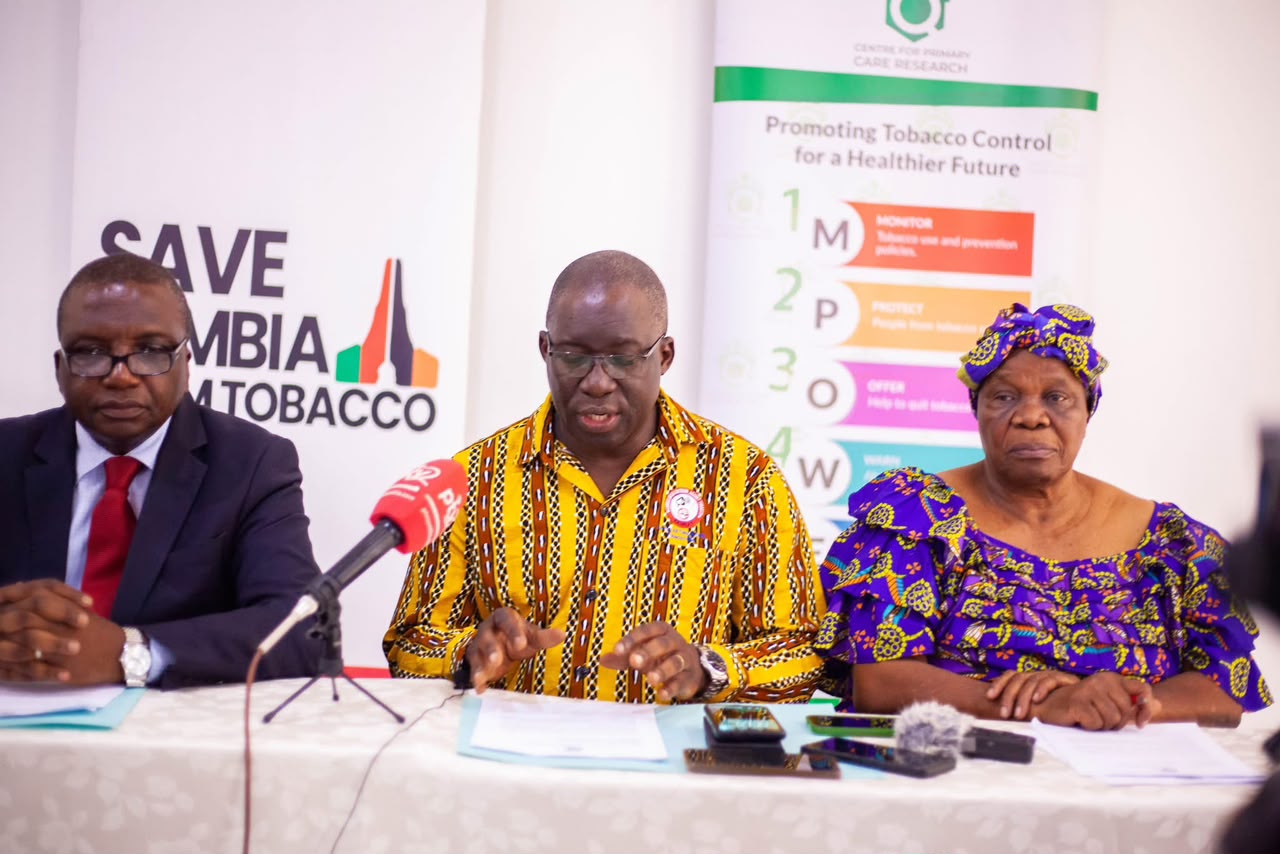
The Tobacco Control Consortium Zambia, a broad coalition of civil society organisations with background in law, health, youth engagement, and community development, led by the Tobacco Free Association of Zambia TOFAZA played a central role in defending the Bill. Through petitions, stakeholder engagements, media campaigns and policy advocacy, the groups maintained pressure on lawmakers to prioritise public health over commercial interests.
At the center of the advocacy, TOFAZA Executive Director Brenda Chitindi spearheaded a team of researchers in conducting research for the Tobacco Industry Interference Index whose findings exposed high level of industry meddling into tobacco legislation over the years. TOFAZA has been actively undertaking Tobacco Industry Monitoring and Response activities feeding into the index. Between 2020 and 2025, Zambia received scores in this index between 77 and 83, indicating a high level of interference in policy making processes. Globally, in 2025 Zambia ranked 94th, placing it among the worst interfered by the industry out of the 100 countries surveyed.
Nonetheless, now with parliamentary approval secured, attention has now shifted toward the assent of the Bill by the Republican President Hakainde Hichilema. The Presidential assent has been awaited for this June, but at this moment the Tobacco Control Bill is still being handled by State House.
Once it is passed into law, experts say government will need to develop detailed regulations, operationalise the Tobacco Control Committee, strengthen enforcement mechanisms, educate the public on the new law and build capacity among regulatory agencies.
Additional measures such as public awareness campaigns, monitoring systems and support for smoking cessation programmes will also be required to ensure the law achieves its intended objectives.
Public health advocates believe that once fully implemented, the Tobacco Control Act will help reduce tobacco consumption, prevent young people from taking up smoking, lower healthcare costs associated with tobacco-related illnesses and bring Zambia into full compliance with its international obligations under the WHO-FCTC.
"However, the road to parliamentary approval was far from smooth. Throughout the legislative process, the Bill faced strong opposition from sections of the tobacco industry and business associations."